
Lighting is the heartbeat of a home, shaping mood, functionality, and aesthetic appeal. When a room lacks overhead lighting, it can feel like a design puzzle, especially in older homes, rentals, or spaces where ceiling fixtures were never installed.
However, this challenge is an opportunity to craft a warm, inviting, and stylish environment using creative lighting solutions.
By layering ambient, task, and accent lighting, leveraging natural light, and incorporating innovative fixtures, you can transform any space into a well-lit haven.
This guide explores practical and inspiring ways to illuminate a room without relying on ceiling lights, drawing from expert insights and current trends.
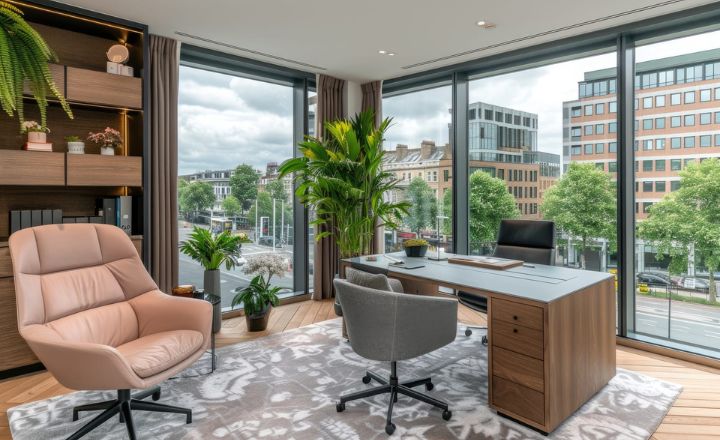
Understanding Lighting Layers for a Balanced Glow
To effectively light a room with no overhead lighting, it’s essential to understand the three core types of lighting: ambient, task, and accent. Each serves a distinct purpose, and combining them creates a cohesive and functional lighting scheme.
Ambient Lighting acts as the room’s foundation, providing general illumination to make the space feel open and navigable. Without ceiling fixtures, floor lamps, torchiere lamps, or wall sconces become your go-to sources.
For example, a torchiere floor lamp directs light upward, mimicking the soft, diffused glow of a ceiling fixture by bouncing light off the ceiling.
Placing multiple floor lamps in corners or along walls can evenly distribute light, eliminating dark spots. Opt for lamps with dimmable LED bulbs (2700K–3000K for a warm, cozy vibe) to adjust brightness based on the time of day or activity.
Task Lighting focuses on specific activities like reading, working, or cooking. In a living room, an adjustable floor lamp next to an armchair creates a cozy reading nook.
In a bedroom, table lamps on nightstands or wall-mounted swing-arm sconces provide targeted light for bedtime reading without disturbing a partner. For kitchens or workspaces, under-cabinet LED strips or desk lamps deliver precise illumination. Choose bulbs with a higher color temperature (3500K–4000K) for task areas to enhance clarity and reduce eye strain.
Accent Lighting adds personality and drama, highlighting architectural features, artwork, or decor. Wall sconces flanking a fireplace, picture lights above a gallery wall, or LED strips behind a bookshelf draw attention to focal points.
Accent lighting is typically brighter than ambient light—about three times as intense—to create contrast and visual interest. For a modern touch, consider plug-in track lighting or battery-operated picture lights, which are renter-friendly and easy to install.
Layering these lighting types ensures a room feels dynamic and adaptable. For instance, a living room might feature a torchiere for ambient light, a table lamp for task lighting on a side table, and a picture light to accent a piece of art.
This approach, often called “light layering,” creates depth and warmth, making the absence of overhead lighting feel intentional rather than limiting.
See More:
- Best Ceiling Light for Home Office
- Best Light for Computer Desk
- Best Solar Security Light with Motion Sensor
- Best Rechargeable Light Bulb for Table Lamp
Creative Fixtures and Solutions for Every Room
The key to lighting a room without ceiling fixtures lies in selecting versatile, stylish, and practical fixtures that suit the room’s purpose and your design preferences. Here are some innovative solutions tailored to different spaces:
Floor Lamps for Versatility: Floor lamps are a cornerstone of overhead-free lighting plans. Arc lamps, with their graceful, curved designs, extend light over seating areas, mimicking the effect of a chandelier. A large arc lamp positioned over a sofa or dining table can serve as a statement piece while providing ample illumination.
For smaller spaces, slender floor lamps with translucent shades fit neatly into corners, casting a soft glow. Look for models with adjustable heads or dimmers to customize light direction and intensity. In 2025, trends lean toward sculptural floor lamps with organic shapes or matte black finishes for a modern, timeless look.
Wall Sconces for Elegance: Wall sconces are a sophisticated alternative to ceiling lights, offering both ambient and task lighting. Uplight sconces wash light upward, creating a soft, ceiling-like glow, while downlight sconces direct light outward for a more focused effect.
In bathrooms, sconces at eye level on either side of a mirror provide flattering, shadow-free illumination for grooming. Plug-in sconces are ideal for renters, as they require no hardwiring—just an outlet and a hook. For a cohesive look, install matching sconces at even intervals around the room, such as on either side of a sofa or bed.
Plug-In Pendants for Overhead Illusion: If you crave the look of overhead lighting without electrical work, plug-in pendant lights are a game-changer.
These fixtures hang from a ceiling hook and plug into a nearby outlet, with cords that can be swagged along the wall for a clean appearance.
A plug-in chandelier over a dining table or a cluster of pendants in a living room adds elegance and focal interest. Choose lightweight designs with fabric or colored cords to blend with your decor. This solution is particularly effective in rentals, as it’s non-invasive and portable.
Table Lamps for Intimate Glows: Table lamps are perfect for creating pools of light on side tables, consoles, or nightstands. In a bedroom, pair matching table lamps with sheer shades to soften light and add warmth.
In a living room, vary lamp heights and styles for visual interest—mix a sleek ceramic lamp with a textured rattan one. Cordless, rechargeable table lamps are gaining popularity in 2025 for their portability and clean aesthetic, allowing you to place them anywhere without worrying about outlet proximity.
Natural Light and Reflective Surfaces: Maximizing natural light is a cost-effective way to brighten a room during the day. Swap heavy curtains for sheer or light-colored ones to let sunlight filter in, and clean windows to remove dust that blocks light.
Mirrors are a designer’s secret weapon—place a large mirror opposite a window to reflect natural light and make the space feel larger. Reflective decor, like metallic vases or glossy furniture, also amplifies light, creating a brighter, airier atmosphere.
Battery-Operated and Smart Lighting: For areas with limited outlets, battery-operated lights offer flexibility. LED flameless candles provide cozy, fire-safe ambiance, while battery-powered picture lights highlight art without wiring.
However, avoid relying solely on battery-operated lights, as frequent battery replacements can be costly and inconvenient. Instead, complement them with smart lighting solutions, such as LED bulbs controlled via a smartphone or voice assistant like Alexa. Smart plugs can turn lamps on or off remotely, enhancing convenience and energy efficiency.
Room-Specific Lighting Strategies
Different rooms have unique lighting needs, and tailoring your approach ensures both functionality and style. Here’s how to light key spaces without overhead fixtures:
Living Room: Create a warm, inviting atmosphere with a mix of floor lamps, table lamps, and sconces. A torchiere in one corner provides ambient light, while an arc lamp over the sofa offers task lighting for reading or socializing.
Accent a bookshelf or artwork with plug-in track lighting. Incorporate dimmers to adjust the mood for movie nights or gatherings. Reflective surfaces, like a mirrored coffee table, enhance light dispersion.
Bedroom: Prioritize coziness with table lamps or sconces on either side of the bed for task lighting.
A floor lamp in a corner adds ambient light, while LED strip lights behind the headboard create a soft, accent glow. Opt for warm white bulbs (2700K) to promote relaxation. Cordless table lamps on nightstands are ideal for clutter-free surfaces.
Bathroom: Eye-level lighting is critical to avoid shadows. Install plug-in sconces or an LED-lit mirror for ambient and task lighting.
If space allows, a small table lamp on a vanity adds a spa-like touch. Choose bulbs with a neutral color temperature (3000K–3500K) for accurate color rendering during grooming.
Kitchen: Combine under-cabinet LED strips for task lighting with a plug-in pendant over a counter or island for ambient light.
A portable table lamp on a countertop can serve as a backup task light. Ensure bright, cool-toned bulbs (4000K) for food prep safety and clarity.
Tips for Success and Common Pitfalls to Avoid
To achieve a polished lighting plan, keep these expert tips in mind:
- Plan Around Furniture Layout: Finalize your room’s layout before choosing lighting to ensure fixtures complement the space. For example, place a floor lamp where it won’t obstruct pathways or cast shadows on seating areas.
- Use Dimmers and Smart Controls: Dimmers allow you to adjust light levels for different activities, while smart plugs or bulbs add convenience and energy savings.
- Choose Energy-Efficient LEDs: LED bulbs last longer, use less energy, and come in various color temperatures to suit any mood or task. Look for high-lumen bulbs (800–1000 lumens) for ambient lighting.
- Avoid Over-Reliance on Battery Lights: While battery-operated lights are useful for accenting, they’re not practical for primary lighting due to dimming over time and replacement costs.
- Mix Styles and Finishes: Coordinated lighting sets can feel dated. Instead, blend materials like brass, matte black, or rattan for a curated, eclectic look, as recommended by designers in 2025 trends.
Common mistakes include using a single light source, which creates harsh shadows, or choosing bulbs with the wrong color temperature, which can make a room feel sterile or overly dim. Test different fixtures and bulb types to find the perfect balance.
Conclusion
Lighting a room with no overhead lighting is not only achievable but also an exciting chance to personalize your space.
By layering ambient, task, and accent lighting, using versatile fixtures like floor lamps, sconces, and plug-in pendants, and maximizing natural light, you can create a functional and beautiful environment.
Whether you’re a renter seeking non-invasive solutions or a homeowner aiming for a custom look, these strategies empower you to illuminate any room with style. Embrace the freedom to experiment with textures, shapes, and smart technology to craft a lighting scheme that reflects your unique taste and enhances your home’s ambiance.

