
Growing plants indoors requires proper illumination that replicates natural sunlight effectively. Many gardeners struggle to find reliable lighting solutions that balance performance with affordability while supporting healthy plant development throughout all growth stages.
The best LED light for indoor growing delivers full-spectrum wavelengths, energy-efficient operation, and consistent output that transforms ordinary indoor spaces into thriving gardens.
Modern LED technology has revolutionized how we cultivate everything from kitchen herbs to flowering ornamentals, making year-round gardening accessible to everyone.
| Preview | Product | |
|---|---|---|

|
Spider Farmer SF1000 100W LED Grow Light for... | Show Price |

|
VIPARSPECTRA P1000 LED Grow Light for Seed... | Show Price |
|
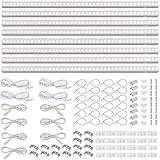
Barrina T5 Grow Lights for Indoor Plants,... | Show Price |
|
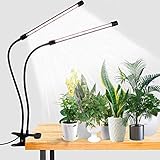
GooingTop LED Grow Light,6000K Full Spectrum... | Show Price |

|
yadoker Plant Grow Light, LED Growing Light... | Show Price |

|
FECiDA 600W Equivalent Grow Light, 65W True... | Show Price |

|
MARS HYDRO TS600 100W Upgraded Dimmable LED... | Show Price |
Quality lighting systems provide the foundation for successful indoor cultivation, enabling plants to photosynthesize efficiently regardless of external weather conditions or seasonal limitations that traditionally restricted growing possibilities.
How Impact Best LED Light for Indoor Growing
Proper illumination fundamentally shapes every aspect of plant health and productivity in controlled environments. Light intensity directly controls photosynthetic rates, determining how rapidly plants convert energy and build biomass for growth. Insufficient lighting results in weak, stretched plants with pale foliage and poor structural integrity.
Spectrum composition triggers specific biological responses within plant tissues at cellular levels. Blue wavelengths promote compact vegetative growth with short internodes and robust stems. Red light stimulates flowering processes and enhances fruit development through phytochrome activation.
Duration of exposure regulates circadian rhythms that control when plants transition between growth phases. Photoperiod manipulation allows growers to maintain vegetative growth indefinitely or trigger flowering on demand. Consistent light schedules prevent stress responses that compromise plant vigor.
Heat generation from lighting systems affects ambient temperature and humidity levels within growing environments. Excessive heat causes plant stress, increases water requirements, and may damage delicate foliage through direct contact. Efficient LED systems minimize thermal radiation while maximizing photosynthetically active radiation.
Energy consumption determines long-term operational costs that accumulate significantly over months of continuous use. Traditional lighting technologies waste substantial electricity as heat rather than usable illumination. Modern LED systems reduce power requirements by sixty to seventy-five percent while improving light quality and plant responses simultaneously.
What is Best LED Light for Indoor Growing
Choosing optimal lighting involves evaluating multiple factors that influence both immediate results and long-term success. Consider your available growing space dimensions, the specific plants you intend to cultivate, and whether you need lights suitable for all growth stages or specialized systems for particular phases.
Full-spectrum lights work exceptionally well for complete grow cycles from seedling through harvest. Some experienced cultivators prefer dedicated vegetative and flowering lights optimized for specific wavelength requirements. Budget considerations balance initial investment against operational efficiency and expected lifespan returns.
Coverage area represents crucial specifications that manufacturers sometimes exaggerate under ideal testing conditions. Measure your actual growing footprint carefully and select lights rated for slightly larger areas. Positioning lights closer than maximum recommended heights typically produces better results through increased intensity.
Power consumption versus actual photon output reveals true efficiency and operating value. Some products inflate equivalent wattage claims without delivering corresponding light energy. Examine PAR values and efficacy ratings expressed as micromoles per joule for accurate performance assessment.
Build quality and warranty coverage indicate manufacturer confidence in product reliability and durability. Quality systems should operate reliably for fifty thousand hours or more. Substantial warranty periods protect investments against premature component failures while demonstrating brand commitment to customer satisfaction and product excellence.
- Spider Farmer SF1000 LED Panel
- VIPARSPECTRA P1000 Quantum Board
- Barrina T5 Grow Strip Set
- GooingTop Dual Head Clip Light
- Yadoker Adjustable Stand Light
- FECiDA Dimmable Panel System
- Mars Hydro TS600 Compact Light
Comparison Table of Best LED Light for Indoor Growing
| Light Name | Power Draw | Spectrum Type |
|---|---|---|
| Spider Farmer SF1000 | 100W | Full Spectrum |
| VIPARSPECTRA P1000 | 100W | Full Spectrum + IR |
| Barrina T5 Strips | 80W (8-pack) | Full Spectrum |
| GooingTop Clip Light | 30W | Red + Blue |
| Yadoker Stand Light | 36W | Multi-Spectrum |
| FECiDA Panel Light | 65W | Full Spectrum |
| Mars Hydro TS600 | 100W | Full Spectrum |
11 Best LED Light for Indoor Growing | Ultimate Guide
Spider Farmer SF1000 LED Panel
Spider Farmer SF1000 100W LED Grow Light for...
- Cutting-Edge LED Chips for Unrivaled Performance: All-new...
- 5-Year Warranty: Our LED Plant Lights are often copied but...
- Ideal For All Growth Stages: Excellent full spectrum- white,...
Professional growers and hobbyists alike consistently praise this quantum board design featuring Samsung LM301H EVO diodes that deliver exceptional photon efficiency. The uniform light distribution across the entire growing canopy eliminates problematic hot spots while ensuring consistent plant development from edge to center coverage areas. Advanced diode technology produces higher output per watt consumed compared to previous generation LEDs.
Fanless passive cooling operates silently while maintaining optimal temperatures that extend component longevity substantially beyond typical LED lifespans. The compact fourteen-inch square footprint integrates seamlessly into growing tents, closets, and dedicated indoor garden spaces without occupying excessive room. Dimming functionality allows precise intensity adjustments matching specific plant requirements during different developmental stages.
Full-spectrum white light supplemented with deep red 660nm wavelengths supports every phase from germination through flowering without requiring spectrum changes. The natural appearance enables easy visual assessment of plant health compared to colored LED alternatives that distort leaf coloration. Daisy-chain capability permits connecting multiple units for expanded coverage using single power sources.
Superior energy efficiency translates into lower electricity costs while delivering output comparable to traditional two hundred fifty watt HPS systems. The waterproof driver design withstands humid growing environments that commonly cause premature failures in lesser-quality alternatives. Thick aluminum heatsinks efficiently dissipate thermal energy while maintaining structural rigidity that prevents warping or damage during transportation and installation procedures.
| Feature | Specification |
|---|---|
| LED Chips | Samsung LM301H EVO |
| Actual Wattage | 100W |
| PPF Output | 280 μmol/s |
| Flower Coverage | 2×2 feet |
| Warranty Period | 5 years |
“My plants have never grown so vigorously and uniformly under any previous lighting system. The tight node spacing and robust growth patterns clearly demonstrate this light’s superior performance capabilities.”
VIPARSPECTRA P1000 Quantum Board
VIPARSPECTRA P1000 LED Grow Light for Seed...
- NEW DIODE LAYOUT & LOWER RUNNING COST: VIPARSPECTRA upgraded...
- OPTIMAL FULL SPECTRUM LIGHT & SUPERIOR HEAT DISSIPATION:...
- LOW ENERGY CONSUMPTION GROW LIGHTING: Comparable to...
Engineered for serious indoor horticulture applications, this quantum board combines Samsung diodes with optimized spectrum distribution that drives impressive plant responses. The fanless design ensures whisper-quiet operation ideal for residential growing spaces where noise pollution proves problematic. Aluminum construction with integrated heatsinks maintains safe operating temperatures even during extended photoperiods.
Full-spectrum illumination includes 660nm red and 730nm infrared wavelengths that enhance flowering responses and accelerate maturation timelines. The scientific diode layout produces remarkably uniform PAR distribution that eliminates weak growth zones common with inferior panel designs. Dimming control adjusts output from ten to one hundred percent, accommodating sensitive seedlings through light-demanding flowering phases.
Coverage capacity suits two by two foot flowering areas or three by three foot vegetative spaces depending on mounting height and intensity requirements. The removable driver allows external mounting to reduce heat within enclosed growing environments. Daisy-chain functionality enables connecting up to twenty units for commercial-scale operations or expanded home growing projects.
Exceptional energy efficiency achieves 2.7 micromoles per joule efficacy that rivals far more expensive professional systems. The balanced spectrum produces natural plant coloration facilitating easy health monitoring compared to purple-hued alternatives. Waterproof components protect sensitive electronics from moisture exposure inherent in plant cultivation environments with elevated humidity levels.
| Feature | Specification |
|---|---|
| Diode Type | Samsung + Osram |
| Power Consumption | 100W |
| PPF Rating | 270 μmol/s |
| Veg Coverage | 3×3 feet |
| Warranty | 3 years |
“After testing multiple lighting systems, this one finally delivered the results I was seeking. The improvement in plant health and productivity compared to my previous lights is absolutely remarkable.”
Barrina T5 Grow Strip Set
Barrina T5 Grow Lights for Indoor Plants,...
- Full Spectrum (Pinkish White Color): Barrina T5 grow lights...
- Full Spectrum (Pinkish White Color): Barrina T5 grow lights...
- Super Bright and High PPFD: This plant growing lamp consume...
Versatility defines these innovative strip lights that solve challenging situations where traditional panel lights prove impractical or inefficient. Each individual strip produces powerful full-spectrum illumination from 380nm through 800nm covering visible and beneficial infrared wavelengths. The linear form factor allows creative mounting configurations tailored to irregular spaces including shelving units and vertical gardens.
Eight strips included in this package provide extensive combined coverage approaching four by four feet when properly positioned and spaced. Individual on-off switches enable independent control or synchronized operation through included linking cables. The slim profile occupies minimal vertical space while delivering impressive combined output measured at 400 total LEDs producing 80 watts.
Installation simplicity impresses with multiple mounting options including hanging hardware, magnetic strips, double-sided adhesive, and cable tie compatibility. The lightweight aluminum construction with integrated thermal management maintains cool operating temperatures despite concentrated LED density. Plug-and-play design requires no technical knowledge or special wiring procedures.
Commercial-grade components ensure reliable performance through tens of thousands of operating hours backed by comprehensive warranty protection. The pinkish-white light spectrum creates adequate viewing conditions while providing optimal wavelengths for photosynthesis and healthy development. Countless cultivators successfully grow everything from microgreens through mature flowering plants under these dependable strips.
| Feature | Specification |
|---|---|
| Strip Count | 8 fixtures |
| Total Power | 80W |
| LED Count | 400 total |
| Spectrum | Full + Pinkish |
| Individual Control | Yes |
“These strips solved my awkward shelving lighting challenges perfectly. Plants across all shelf levels receive even illumination and growth rates have improved dramatically compared to my previous setup.”
GooingTop Dual Head Clip Light
GooingTop LED Grow Light,6000K Full Spectrum...
- 6000K White Light - equipped with 10 Red + 74 White LEDs,...
- Timer Function & Multiple Settings - this growing light...
- Easy to Install - with flexible Gooseneck & strong clamp,it...
Budget-conscious growers appreciate this entry-level system that delivers surprising functionality despite modest pricing. Dual flexible gooseneck arms provide remarkable positioning versatility accommodating various plant arrangements and container configurations. The red and blue LED combination creates characteristic purple illumination while delivering wavelengths scientifically proven to support photosynthesis.
Three lighting modes allow switching between red-only, blue-only, or combined spectrum operation matching growth stage requirements and personal preferences. Five dimming levels adjust intensity from gentle illumination for delicate seedlings to maximum output for established plants. Simple touch controls make operation intuitive even for complete beginners exploring indoor gardening.
Clip mounting with padded grips protects furniture surfaces while maintaining secure attachment during position adjustments. The flexible goosenecks enable precise directional control ensuring light reaches plant canopies regardless of irregular growth patterns. Auto timer cycles between three, six, and twelve hour durations automate schedules reducing daily maintenance requirements.
Affordable pricing makes this accessible for those testing indoor growing concepts before investing in elaborate systems. The thirty-watt power consumption barely impacts electricity expenses even with continuous daily use throughout winter months. While coverage and intensity limitations make this unsuitable for serious production growing, it excels for maintaining houseplants and starting seeds.
| Feature | Specification |
|---|---|
| Light Heads | 2 adjustable |
| Total LEDs | 80 pieces |
| Power Draw | 30W |
| Modes | 3 options |
| Timer Settings | 3/6/12 hours |
“Perfect starter light for beginning my indoor plant collection. Simple operation and my seedlings are thriving beautifully. It provided exactly what I needed without excessive initial investment.”
Yadoker Adjustable Stand Light
yadoker Plant Grow Light, LED Growing Light...
- Designed for Large & Tall Indoor Plants:Designed...
- Natural Durable Bamboo Design – Eco-Friendly &...
- Adjustable Height Up to 61” for Growing Plants:Extends...
Height-adjustable design distinguishes this floor-standing system perfect for large plants requiring flexible vertical positioning as they grow. The telescoping pole extends from thirteen to sixty-one inches accommodating everything from seedlings through mature specimens. Full-spectrum LED array includes white, warm white, red, and blue wavelengths supporting complete growth cycles.
Seventy-two high-quality LEDs deliver sufficient intensity for individual large plants or multiple smaller specimens positioned in close proximity. The stable base provides secure freestanding operation without mounting requirements. Auto timer functionality with three, nine, or twelve hour cycles maintains consistent photoperiods without manual intervention.
Five brightness levels combined with automatic timing enable precise environmental control matching plant-specific light requirements. The natural white light appearance integrates tastefully into living spaces compared to harsh purple-tinted alternatives. Memory function retains preferred settings through power interruptions ensuring schedule consistency.
Construction quality ensures durability through extended use supporting healthy plant development. The ring halo design provides even illumination distribution across plant canopies. This system works exceptionally well for decorative houseplants, herbs, and specimen plants requiring individual attention and flexible positioning capabilities.
| Feature | Specification |
|---|---|
| LED Count | 72 pieces |
| Height Range | 13.7″ – 61.1″ |
| Spectrum | Multi-wavelength |
| Timer Options | 3/9/12 hours |
| Brightness Levels | 5 settings |
“The adjustable height feature proves invaluable as my plants grow taller. Consistent light distribution keeps foliage healthy from top to bottom throughout the entire growing season.”
FECiDA Dimmable Panel System
FECiDA 600W Equivalent Grow Light, 65W True...
- 【600W Equivalent with Real 65W Power】 FECiDA LED grow...
- 【0–100% Smooth Dimming + Daisy Chain Design】 Easily...
- 【Quiet Cooling System for Long Lifespan】 Built-in...
Value-oriented design delivers professional performance at accessible pricing for home growers seeking quality without premium expense. Full-spectrum white, red, and blue diodes create balanced illumination supporting plants through germination, vegetative growth, and flowering phases. Dimming functionality adjusts brightness freely matching specific plant needs during different developmental stages.
Built-in cooling fan with efficient heat dissipation maintains safe operating temperatures extending lifespan beyond fifty thousand hours. The quiet fan operation suits residential environments where excessive noise proves disruptive. Coverage area approaches two by two feet during flowering providing adequate intensity for two to four plants.
Daisy-chain capability connects multiple units using power cables for expanded coverage without additional electrical outlets. The compact form factor measuring approximately thirteen inches fits easily into smaller growing spaces where larger panels prove impractical. Waterproof driver components protect electronics from moisture exposure common in humid growing environments.
Actual sixty-five watt power draw keeps operational costs minimal while delivering output comparable to traditional systems consuming substantially more electricity. The balanced spectrum produces natural plant coloration facilitating visual health assessment. Established cultivators appreciate reliable performance and exceptional value this system consistently provides.
| Feature | Specification |
|---|---|
| LED Technology | Full Spectrum |
| True Wattage | 65W |
| Cooling | Built-in fan |
| Dimming | 0-100% |
| Warranty | 2 years |
“Impressive light output for such an affordable price point. My plants develop evenly and vigorously under this system that exceeded my expectations based on the modest investment required.”
Mars Hydro TS600 Compact Light
MARS HYDRO TS600 100W Upgraded Dimmable LED...
- 2026 Upgraded TS600 with Dimmable Function: Experience the...
- Wider Coverage & Higher Intensity: Patented 120° white...
- Sunlike Full Spectrum LED Efficiency: Delivering 730-740nm...
Compact efficiency characterizes this entry-level panel ideal for beginners establishing small growing operations or supplementing natural window light. Scientific diode distribution ensures even PAR mapping across the two by two foot coverage area. Full-spectrum illumination supports all growth stages without requiring spectrum adjustments.
The fanless passive cooling system operates completely silently making this perfect for bedroom or living room applications. Reflector design enhances light output directing photons toward plants rather than wasting energy through dispersion. Plug-and-play operation requires simply hanging and powering without complex setup procedures.
One hundred watt actual consumption replaces traditional one hundred fifty watt HPS systems while reducing heat generation and electricity costs. The lightweight construction simplifies installation using included hanging hardware. Waterproof components ensure reliability in humid environments typical of indoor cultivation.
Affordable pricing makes this accessible for those exploring indoor growing without substantial financial commitment. Coverage suits two to four small plants depending on training methods and spacing. While lacking advanced features like dimming, the straightforward design appeals to those seeking simple, reliable performance without unnecessary complexity or excessive cost considerations.
| Feature | Specification |
|---|---|
| Power Draw | 100W |
| Cooling | Passive fanless |
| Coverage | 2×2 feet |
| Spectrum | Full wavelengths |
| Operation | Plug-and-play |
“Simple, effective, and perfectly adequate for my small herb garden. The straightforward operation without complicated controls suits my needs excellently while producing healthy, productive plants consistently.”
How do I choose the best LED light for indoor growing based on plant type?
Different plants require varying light intensities and spectral compositions for optimal development and productivity. Leafy greens like lettuce, spinach, and herbs thrive under moderate intensity lighting typically ranging from 200 to 400 PPFD. These plants primarily need blue wavelengths promoting compact vegetative growth with dense foliage formation.
Fruiting and flowering plants including tomatoes, peppers, and cannabis demand significantly higher intensity approaching 600 to 900 PPFD during productive phases. These species benefit from additional red spectrum during flowering to stimulate reproductive development and enhance yield quality. The best LED light for indoor growing fruiting plants includes substantial 660nm red output alongside full-spectrum white light.
Seedlings and young plants require gentle illumination preventing photoinhibition damage to tender new tissues. Position lights farther from canopies initially, gradually lowering as plants mature and develop stress tolerance. Succulents and cacti prefer intense lighting mimicking their natural desert habitats, often requiring positioning closer than manufacturers suggest for most houseplants requiring moderate conditions.
What distance should I maintain between LED grow lights and plant canopies?
Proper positioning balances adequate light intensity with heat management and prevents photoinhibition stress damaging plant tissues. Most LED systems perform optimally positioned twelve to thirty inches above canopies depending on wattage output and specific plant requirements. Seedlings require gentler illumination from twenty-four to thirty-six inches preventing light burn on delicate new growth.
Mature flowering plants tolerate closer positioning sometimes as near as twelve inches for lower-wattage units maximizing intensity during demanding reproductive phases. Monitor plants continuously for stress indicators including bleached or yellowing upper leaves suggesting excessive proximity requiring immediate adjustment upward. Insufficient lighting manifests through stretched elongated growth with weak stems indicating lights should move closer for improved results.
Individual plant responses vary based on species characteristics and environmental factors including temperature and humidity affecting stress tolerance. Adjust positioning incrementally while observing plant reactions rather than adhering rigidly to manufacturer recommendations that assume ideal conditions. Hand-testing heat levels at canopy height helps prevent thermal stress even from supposedly cool-running LED systems under certain configurations.
Can LED grow lights completely replace natural sunlight for indoor plants?
Modern LED technology replicates natural sunlight spectral characteristics remarkably effectively providing all necessary wavelengths for complete plant development. Quality systems deliver sufficient intensity and proper spectrum distribution supporting healthy growth in environments completely lacking natural illumination. Many cultivators achieve superior results indoors compared to outdoor cultivation through precise environmental control eliminating unpredictable variables.
Consistency of artificial lighting eliminates challenges like cloudy days, seasonal variations, and unpredictable weather complicating outdoor growing endeavors. Plants receive optimal duration and intensity tailored exactly to developmental needs without compromise or interruption. The best LED light for indoor growing enables extending growing seasons indefinitely in regions with harsh winters or limited traditional growing periods.
However, nothing perfectly duplicates the complete complexity of natural solar radiation including subtle spectrum variations throughout daily cycles. Some cultivators supplement LED lighting with occasional natural sunlight exposure believing this enhances overall plant vigor and resilience. Most plants adapt perfectly well to exclusive LED cultivation when systems provide adequate intensity and appropriate spectrum distribution throughout growth cycles.
How long do quality LED grow lights typically last before requiring replacement?
Premium LED systems deliver fifty thousand hours or more operational life representing five to seven years continuous twenty-four-hour operation. Typical twelve-hour daily photoperiods extend functional lifespan to ten or fifteen years before requiring replacement. This exceptional longevity far exceeds traditional HID bulbs needing annual replacement, significantly reducing long-term maintenance costs and operational interruptions.
Component quality dramatically affects actual service life with premium diodes and robust power supplies lasting considerably longer than economy alternatives using inferior parts. Adequate cooling extends LED lifespan significantly making heat dissipation design critically important for maximizing investment returns. Most reputable manufacturers back products with warranties ranging from two to five years indicating confidence in durability.
LED diodes gradually dim over time rather than failing suddenly allowing planned replacement before performance degrades substantially. Periodic cleaning removing dust accumulation helps maximize light output and maintain optimal performance throughout operational periods. Proper maintenance including adequate ventilation and avoiding excessive ambient temperatures contributes significantly to achieving maximum expected lifespans from quality lighting investments.
Do plants grow faster under LED lights compared to natural sunlight?
Growth rates depend primarily on total photosynthetically active radiation received rather than light source type. LED systems potentially accelerate development compared to natural sunlight by providing consistent optimal intensity throughout extended photoperiods without weather-related interruptions. Indoor growers can deliver eighteen to twenty-four hours daily light during vegetative stages compared to natural daylight limitations of eight to fourteen hours.
Controlled indoor environments eliminate growth-limiting factors common outdoors including temperature extremes, water stress, nutrient deficiencies, and pest pressure. This optimization often produces faster development and larger yields compared to field cultivation where plants face numerous environmental challenges. However, light intensity matters more than duration with plants requiring adequate photon flux density for maximum photosynthetic rates.
Well-designed LED installations matching or exceeding natural sunlight intensity combined with optimal environmental conditions consistently produce faster growth than even ideal outdoor scenarios. The best LED light for indoor growing delivers sufficient intensity approaching or exceeding full summer sun levels measured at 1000 to 2000 PPFD. Strategic environmental control maximizes genetic potential that environmental limitations often constrain in traditional outdoor cultivation settings.
What spectrum do plants actually need during different growth stages?
Blue wavelengths between 400 and 500 nanometers drive vegetative development promoting compact growth with short internodal spacing and robust stems. These shorter wavelengths trigger phototropic responses and regulate growth hormones controlling plant architecture and structural development. Seedlings and young plants benefit from blue-heavy spectrum preventing stretching while establishing strong foundational structures.
Red wavelengths between 600 and 700 nanometers become critically important during flowering and fruiting phases stimulating reproductive development. Deep red light near 660nm proves particularly effective for triggering flowering responses and maximizing yield potential through phytochrome activation. Far-red wavelengths around 730nm enhance flowering responses and can manipulate photoperiod perception in certain species.
Green wavelengths between 500 and 600 nanometers, while less efficient for chlorophyll absorption, still contribute to photosynthesis particularly in lower canopy areas where green light penetrates better than red or blue. Complete spectrum including all visible wavelengths produces most natural plant development and facilitates easy visual health assessment. The best LED light for indoor growing incorporates balanced spectrum including blue, red, green, and sometimes UV and infrared portions contributing to overall plant health and secondary metabolite production.
Are dimmable LED grow lights worth the additional investment cost?
Dimming capability provides valuable flexibility matching light intensity to specific growth stages and plant requirements throughout cultivation cycles. Seedlings require significantly less intensity than mature flowering plants making dimming essential for single-light systems serving complete lifecycles. Running lights at reduced intensity extends diode lifespan while reducing power consumption and heat generation during phases requiring less illumination.
The modest price premium for dimmable units quickly justifies itself through extended component life and reduced electricity costs. Growers frequently adjust intensity based on temperature management needs running lights brighter during cooler periods and dimming during heat waves preventing excessive environmental temperatures. Some plants exhibit light stress when exposed to full intensity immediately after transplanting or during recovery from training techniques.
Dimming functionality enables gradual intensity increases as young plants develop stress tolerance rather than shocking tender tissues with sudden full-power exposure. Professional results require matching lighting to plant needs rather than maintaining constant maximum output regardless of circumstances. The flexibility justifies modest additional investment for serious cultivators seeking optimal results through precise environmental control and responsive growing management.
How much electricity do LED grow lights consume compared to traditional lighting?
LED technology revolutionized indoor growing economics by drastically reducing power consumption while maintaining or exceeding light output from traditional systems. Typical one hundred watt LED systems produce equivalent usable light to two hundred fifty or three hundred watt HPS fixtures representing sixty to seventy percent energy savings. These efficiency gains compound over time especially for operations running lights twelve to eighteen hours daily throughout growing seasons.
Lower power consumption translates directly into reduced electricity costs often recovering initial LED investment within first growing seasons. Heat generation decreases proportionally with wattage reducing or eliminating supplemental cooling requirements that further lower operational expenses. Modern LED systems convert approximately fifty percent of consumed electricity into usable plant light compared to just twenty to thirty percent efficiency from HID alternatives.
The best LED light for indoor growing maximizes photon output per watt consumed measured as micromoles per joule efficacy. Premium systems achieve 2.5 to 3.0 micromoles per joule or higher representing exceptional energy efficiency. This efficiency benefits both growers through reduced operating costs and the broader environment through decreased electricity demand and associated carbon emissions from power generation facilities.
Final Thoughts
Selecting ideal LED lighting requires carefully balancing numerous considerations including budget limitations, growing space dimensions, plant species, and experience level. Based on extensive research and real-world performance evaluation, the Spider Farmer SF1000 emerges as top recommendation for most indoor gardening applications through its exceptional efficiency and proven reliability. The comprehensive five-year warranty protection demonstrates manufacturer confidence while providing peace of mind for long-term investments.
Budget-conscious cultivators or those testing indoor growing concepts might consider Barrina T5 strip lights offering remarkable coverage and flexibility at accessible pricing. These strips provide professional results without financial commitments required for premium panel systems. Beginners appreciate straightforward installation and reliable performance that builds confidence and growing skills.
Invest in quality lighting appropriate for your specific needs rather than compromising with inadequate systems limiting growing potential and frustrating efforts. The best LED light for indoor growing transforms cultivation from struggling disappointment into rewarding success with healthy, productive plants justifying time and investment. Proper illumination represents the foundation of successful indoor horticulture making it worthy of careful consideration and appropriate financial allocation for long-term growing satisfaction.

